Web Design That Converts: The Steele Solutions Approach for Indianapolis (2026)
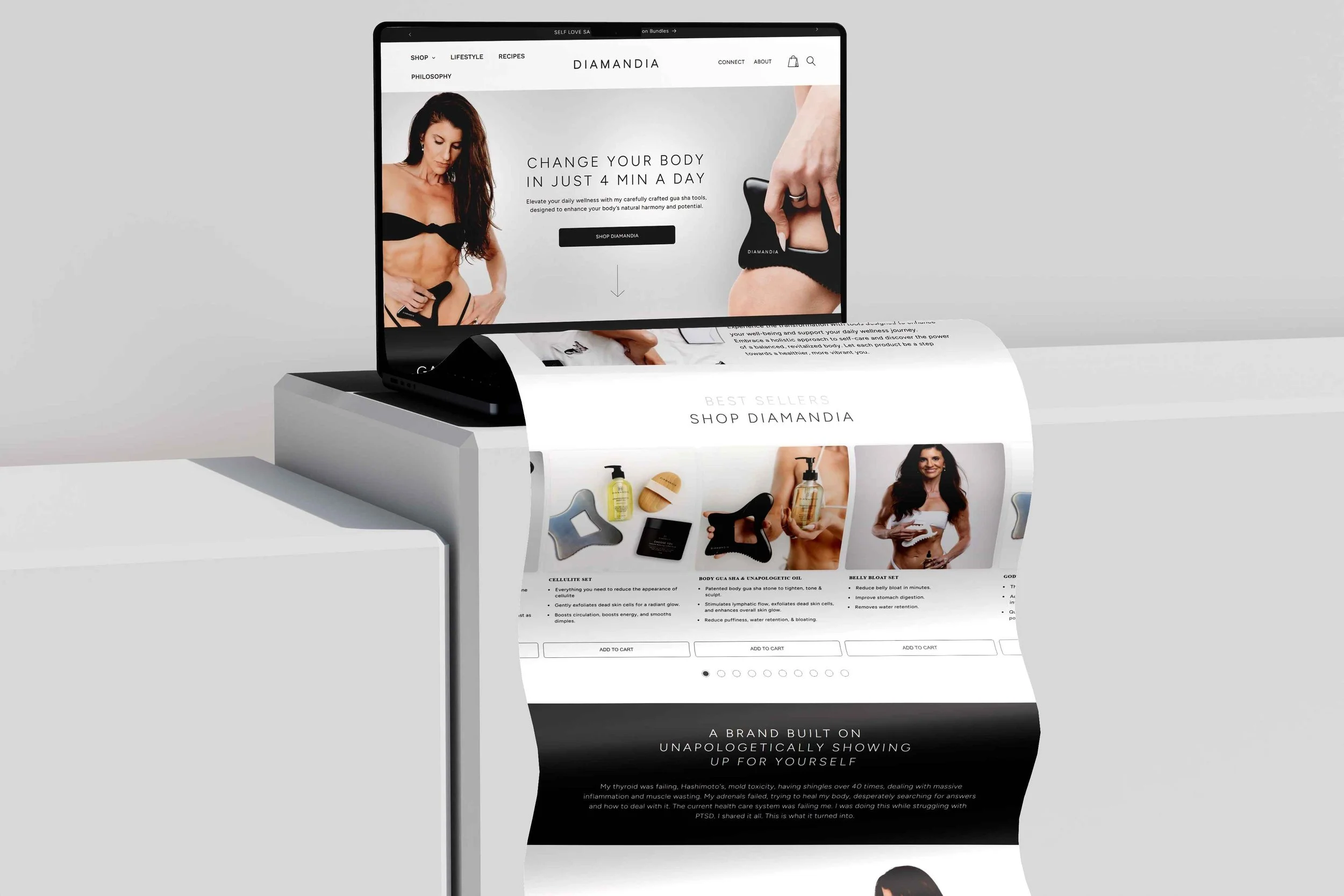
A useful website helps a visitor understand the offer and complete the next step without unnecessary friction. Evaluate structure, content, accessibility and maintenance alongside appearance. The best scope is the one that supports the real customer task and can be tested, owned and updated by the business.
Connect this guide to our related service.
Most Indianapolis businesses build websites to look professional. The best-performing ones build websites to convert — turning every visitor into a lead, a call, or a sale. At Steele Solutions, we design websites that do both: visually compelling and structurally engineered to generate measurable business results.
This post breaks down exactly how we think about web design for Indianapolis clients — and the specific principles that separate a beautiful brochure site from a genuine conversion machine.
Why Most Indianapolis Websites Fail to Convert
The majority of Indianapolis business websites we audit share the same fundamental conversion problems. Understanding these failure points is the first step to building a site that actually works:
The Steele Solutions Web Design Process
Phase 1: Conversion Architecture
Before we design anything, we map the conversion journey. What action do you most want a visitor to take — call, fill out a form, schedule, or buy? Every design decision flows from that primary conversion goal. We place CTAs strategically at every stage of the scroll: above the fold, after trust signals, after service descriptions, and in the footer.
Phase 2: SEO Foundation
SEO isn't added after a website is built — it's baked into the architecture from day one. This means semantic HTML structure, proper heading hierarchy, LocalBusiness schema markup, page speed optimization, mobile-first design, canonical tags, and fully populated metadata for every page before the site goes live.
Phase 3: Trust Engineering
Indianapolis consumers make trust decisions in 3–5 seconds. Our designs systematically place the highest-trust elements — testimonials, star ratings, certifications, team photos, before/after case studies, and client logos — at the exact moments in the scroll where trust hesitation typically occurs.
Phase 4: Performance Optimization
Every Steele Solutions website is built for Core Web Vitals compliance from launch day. These scores directly affect both Google rankings and the user experience that drives conversions.
| Core Web Vital | Target | Why It Matters |
|---|---|---|
| Largest Contentful Paint (LCP) | < 2.5 seconds | Page ranking + bounce rate reduction |
| First Input Delay (FID) | < 100 ms | Interactivity + user experience quality |
| Cumulative Layout Shift (CLS) | < 0.1 | Visual stability = trust perception |
| Mobile PageSpeed Score | > 85 | Mobile rankings + mobile conversion rate |
ADA Accessibility: Legal Protection + Conversion Advantage
Every Steele Solutions website includes ADA accessibility review as a standard part of our design process. We also offer standalone ADA audit and remediation services — learn more at steelesolutions.ai/acessibility.
Web Design + SEO + ADA: The Steele Solutions Integrated Approach
| Conversion Architecture: | Strategic CTAs, trust signals, intuitive navigation |
| SEO Foundation: | Schema, metadata, heading hierarchy, local signals |
| Performance: | Core Web Vitals compliance, mobile-first build |
| ADA Compliance: | WCAG 2.1 AA review included in every project |
Platforms We Build On
Steele Solutions builds on Squarespace, WordPress, Webflow, and Wix — whichever platform best fits your business needs, technical comfort level, and long-term scalability requirements. We optimize for performance and SEO on every platform, not just the easiest ones to work with.
Frequently Asked Questions
Q: How much does web design cost from Steele Solutions?
Project pricing depends on the number of pages, complexity, and platform. Contact us at steelesolutions.ai/contact-us for a custom quote specific to your Indianapolis business.
Q: How long does a website project take?
Most Steele Solutions website projects deliver in 3–6 weeks from kickoff, depending on the number of pages and the speed of client content delivery.
Q: Will my new website rank on Google?
Yes — SEO is built into every Steele Solutions website from the ground up, not added as an afterthought. We set up Google Search Console, submit your sitemap, and ensure all technical SEO fundamentals are live at launch.
Q: Do you redesign existing websites or only build from scratch?
Both. We do full redesigns as well as targeted conversion and SEO optimization of existing sites that need improvement without a full rebuild.
Q: Does my website need to be ADA compliant?
In most cases, yes. ADA web accessibility lawsuits have increased significantly. Steele Solutions includes accessibility review in every web design project and offers standalone remediation at steelesolutions.ai/acessibility.
Q: Can you integrate AI chatbots or booking tools into our website?
Yes. Steele Solutions integrates AI customer service chatbots, online booking systems, and marketing automation tools into Indianapolis business websites as part of our AI consulting service.
Conclusion
A website that doesn't convert is just an expensive digital business card. Steele Solutions builds Indianapolis websites that work: visually compelling, technically sound, SEO-optimized, ADA compliant, and engineered from the ground up to turn visitors into leads and leads into customers.
If your current site isn't generating the results your business deserves, let's change that. Start with a free web design consultation at steelesolutions.ai/contact-us.
🚀 Ready to Grow Your Indianapolis Business?
Get your FREE AI SEO Audit from Steele Solutions — no obligation, no fluff.
- ✓ Free SEO Audit & Strategy Session
- ✓ Custom content cluster roadmap for your Indianapolis market
- ✓ AI-powered campaign management with live reporting
- ✓ Month-to-month — results earn your loyalty
📍 Book Now: steelesolutions.ai/contact-us 📊 Client Dashboard: client.steelesolutions.ai/login
A practical website acceptance plan
A design review should include real customer tasks, not only a visual tour of the homepage. Ask someone unfamiliar with the site to find the relevant service, explain what the business offers and locate the next step. Watch where the wording or navigation creates uncertainty. The goal is to remove unnecessary decisions while preserving enough detail for a visitor to assess fit.
Agree what will be delivered
A clear scope names the pages, content responsibilities, integrations and review rounds. It should also explain who owns the domain, hosting account, media and source files. If the site includes a publishing system, test the editing process before handover. A feature that only the original developer can operate may create an avoidable dependency for a small team.
Separate the launch scope from later enhancements. A booking integration may be essential for one business and unnecessary for another. The same is true of search, filtering, a customer portal or multiple languages. Prioritization should follow the visitor’s task and the team’s ability to maintain the result.
Protect the site’s established addresses
Before a redesign, inventory pages that receive search traffic or external links. Preserve those URLs when the purpose remains the same. If a move is necessary, map the old address directly to the most relevant destination and update internal links. Sending every retired page to the homepage can leave visitors without the information they expected.
Test accessibility and small-screen use
Navigate the site with a keyboard, check visible focus, read form labels and confirm that errors explain what needs correcting. Review headings and meaningful image descriptions. Automated tools can identify some problems, but W3C explains that human evaluation is also necessary. A perfect automated score should not be presented as a complete accessibility assessment.
On a phone-sized screen, check long headings, menus, tables and the actual contact form. Make sure important buttons remain understandable without hover. Large visuals should not prevent a visitor from reaching the service description or next step. Test representative interior pages as well as the homepage.
Plan for ordinary maintenance
Assign someone to review offers, contact details, images and forms. Keep a record of major changes and a recoverable copy of the site. Define how a broken integration or failed submission will be noticed. Good maintenance is usually a set of modest, repeatable checks rather than a dramatic redesign every few years.
Our web design service connects this planning with implementation. For a focused review of barriers affecting visitors, see website accessibility. The right scope depends on what the business and its customers actually need.
Sources and further reading
W3C: evaluating web accessibility. Review these primary references alongside the practical planning guidance above.