Web Accessibility Myths Debunked: What You Really Need to Know
In 2025, web accessibility is no longer a niche concern—it’s a core component of great design, legal compliance, and digital inclusion. Still, many businesses fall behind not because they lack tools, but because they believe the myths.
If you think web accessibility is optional, expensive, or only for people with disabilities, it’s time for a serious reality check.
Myth #1: "My Website Doesn’t Need Accessibility—My Audience Isn’t Disabled"
Truth: Accessibility benefits everyone. From aging users with vision decline to mobile users on the go, to people dealing with temporary impairments like a broken arm—accessible sites serve a broader audience than you think.
Inclusive design means more reach, better UX, and higher engagement. At Steele Solutions, we design with all users in mind—because accessibility is usability.
Myth #2: "Accessibility Is Too Expensive for Small Businesses"
Truth: It costs more to fix accessibility later than to build it in from the start. And non-compliance? That can lead to legal action under the ADA and missed sales from users who bounce off your site.
Many accessibility improvements—like using semantic HTML, alt text, and proper contrast—are free to implement with the right strategy. You don’t need a massive budget to be inclusive. You need the right partner.
Myth #3: "Accessibility Means Boring Design"
Truth: Accessible design can be beautiful, modern, and brand-aligned. It’s not about limiting creativity—it’s about adding clarity and consistency.
From interactive elements to custom visuals, inclusive design enhances usability without sacrificing aesthetics. Tools like accessible color palettes, responsive layouts, and clear typography are foundational to better UX—not bland UX.
Myth #4: "Only Developers Need to Worry About Accessibility"
Truth: Accessibility is everyone’s job. Copywriters, designers, marketers, and developers all play a role:
- Designers ensure contrast, layout, and navigation clarity.
- Developers build with semantic HTML and ARIA roles.
- Writers use plain language, headers, and link text that makes sense.
- Marketers ensure emails and videos are accessible, too.
We help our clients develop accessible ecosystems, not just websites. Because accessibility is a culture—not just a checklist.
Myth #5: "I Passed an Automated Tool—So I'm Good"
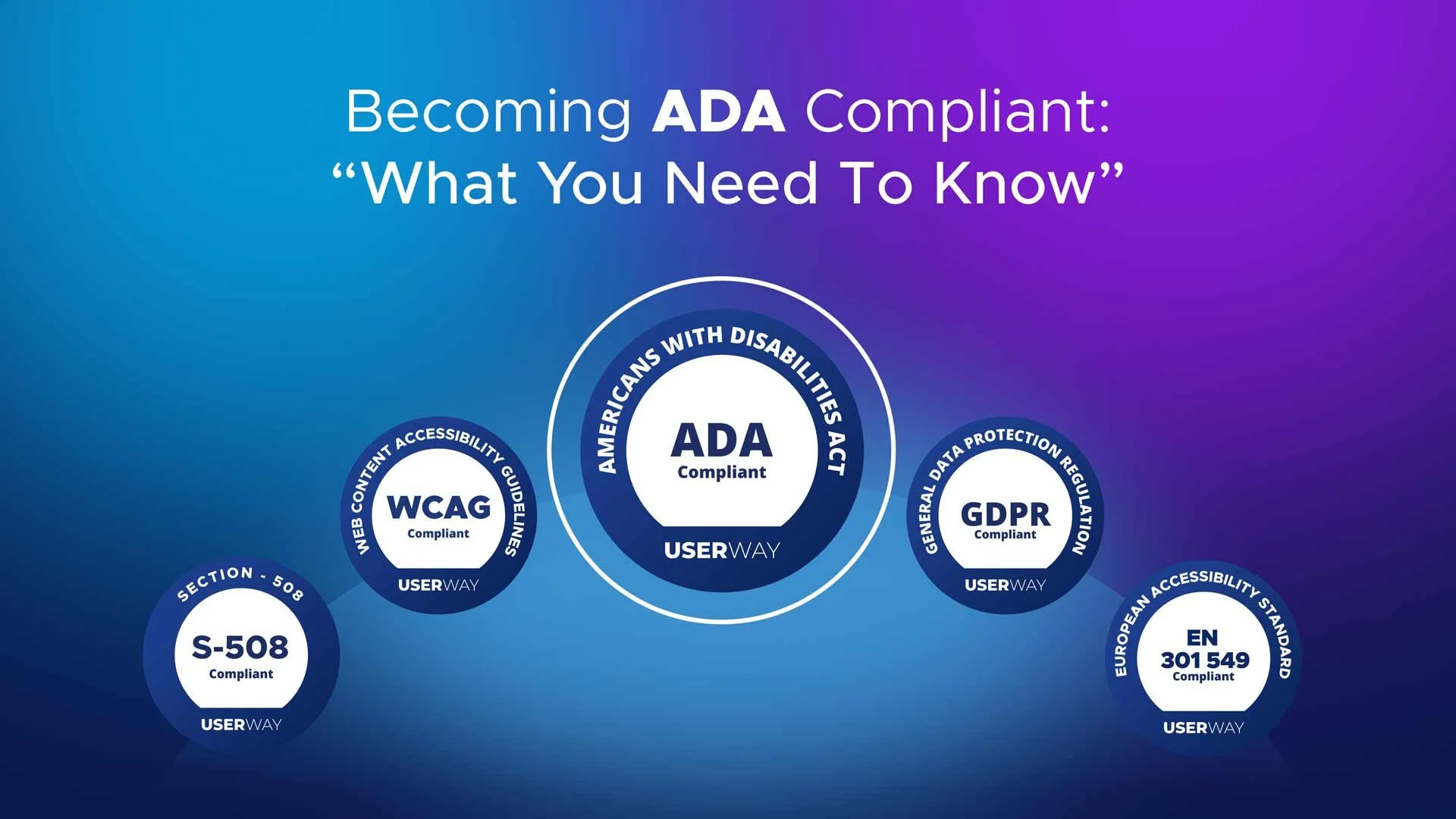
Truth: Automated tools only catch about 30% of accessibility issues. To be truly ADA-compliant and user-ready, you need manual testing, screen reader validation, and real-user feedback.
At Steele Solutions, we use tools like WAVE, axe DevTools, and Lighthouse, but we don’t stop there. Our team tests interactions across devices, screen readers, and input methods—and gives you live updates in your client dashboard.
Accessibility Is a Growth Opportunity—Not a Burden
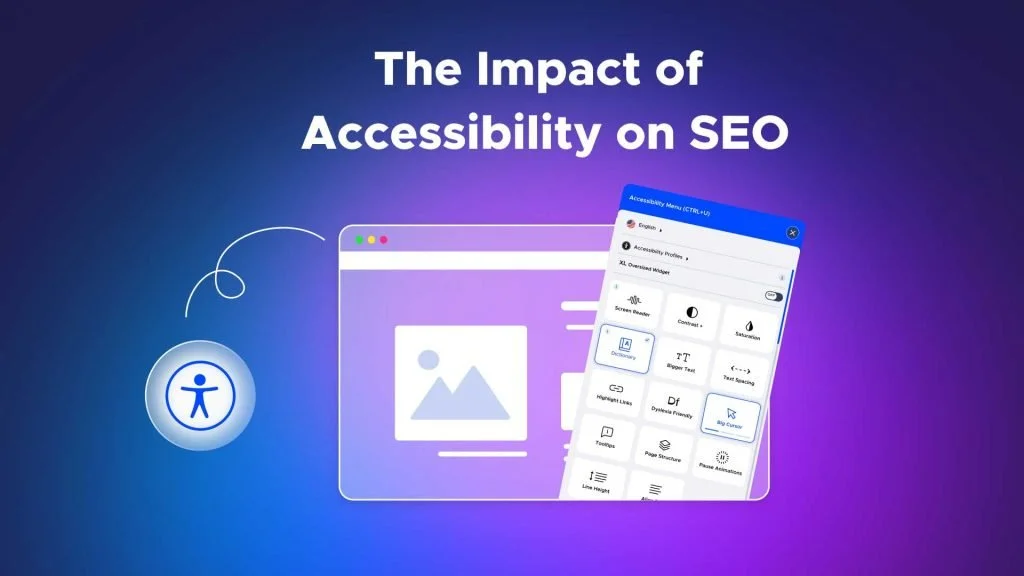
Accessible websites reach wider audiences, perform better in search, and create more trust. By debunking these myths, you're one step closer to building a web presence that's inclusive, powerful, and future-proof.
Whether you're starting from scratch or auditing an existing site, Steele Solutions is your partner in building a digital experience that works for everyone.
Let’s make the web better—together.