How Accessibility in Web Design Can Boost Your SEO Rankings
Accessibility Isn’t Just Ethical—It’s Strategic
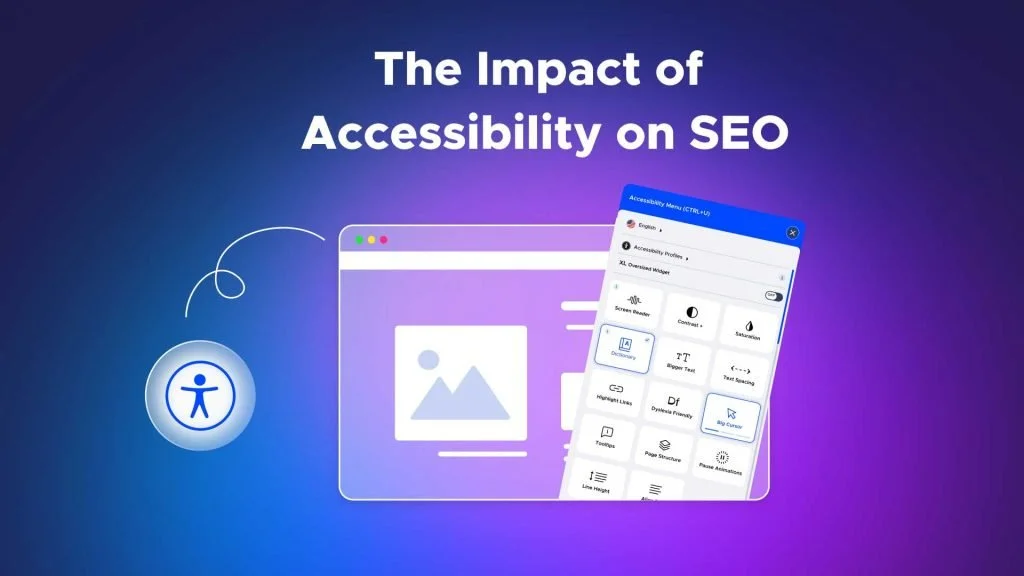
Web accessibility is no longer an afterthought. In 2026, it’s a business imperative. When you design a website that’s accessible to everyone—regardless of ability—you’re not just being inclusive. You're boosting SEO, improving usability, and signaling to search engines that your site is optimized for real humans.
Whether you're a startup or a scaling business, integrating accessibility in web design is one of the smartest ways to future-proof your digital presence and reach more of your audience.
What Does Web Accessibility Mean?
Web accessibility ensures that people with disabilities—visual, auditory, cognitive, or motor—can perceive, navigate, and interact with your website.
This includes:
- Proper color contrast and readable typography
- Screen reader compatibility
- Descriptive alt text for images
- Keyboard navigability
- Clear structure with semantic HTML
- Captions for videos and transcriptions for audio
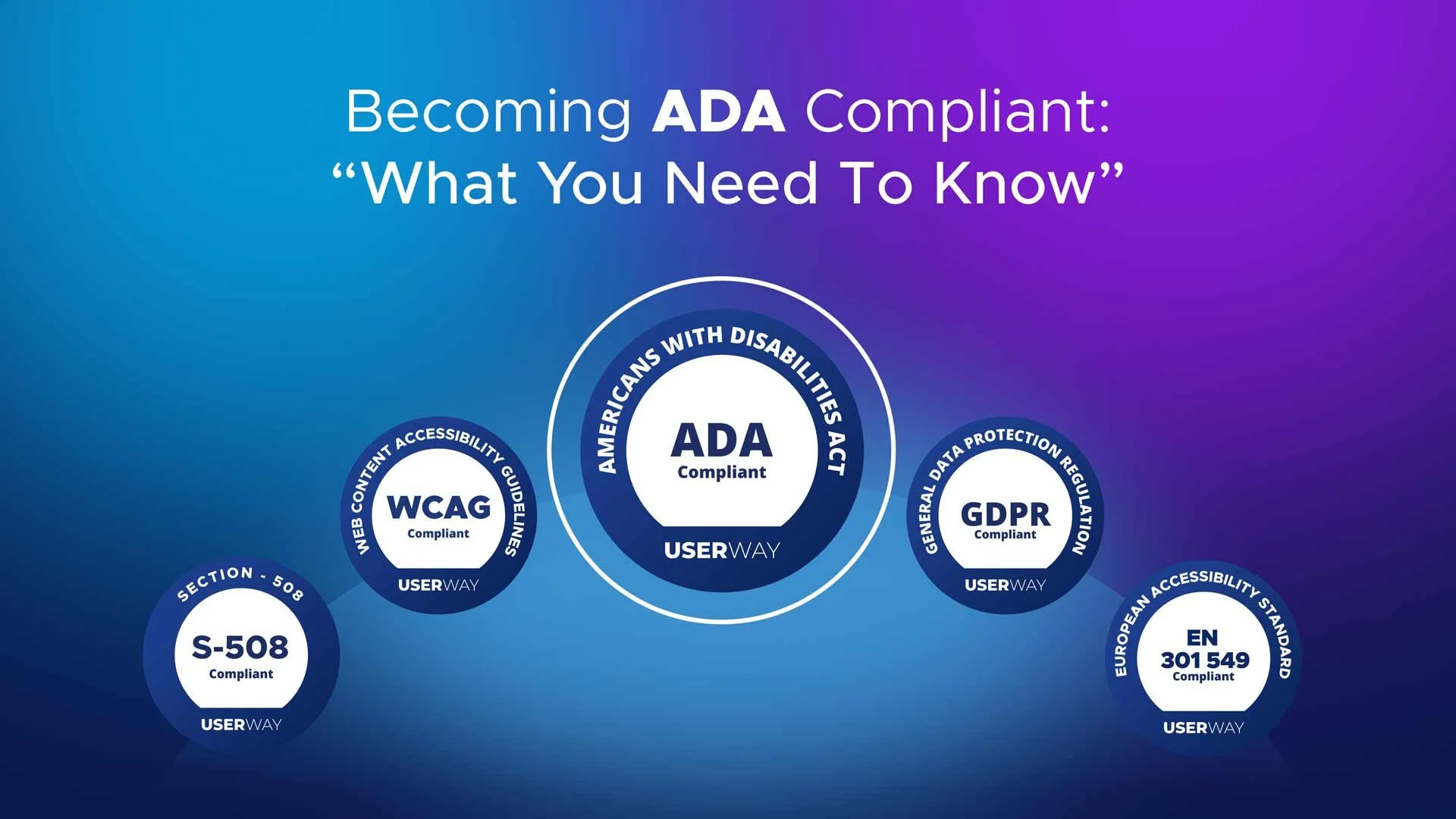
These aren’t just nice-to-haves—they’re essential for meeting WCAG guidelines and ensuring your site aligns with ADA compliance in the U.S.
The Overlap Between Accessibility and SEO
Search engines and users want the same thing: structured, understandable, and easy-to-navigate websites. When you follow accessibility best practices, you’re also enhancing your SEO in powerful ways:
✅ Semantic HTML = Better Indexing
Using proper heading levels (
to
) and structured markup helps screen readers—and search engines—understand your content hierarchy. This leads to improved crawlability and indexing.
✅ Alt Text = Image SEO
Descriptive image alt attributes not only support screen readers, they also help your images rank in Google Image Search and improve page relevance.
✅ Faster Page Loads = Higher Rankings
Accessible sites often load faster due to lighter design, optimized media, and fewer intrusive elements. Page speed is a major ranking factor.
✅ Lower Bounce Rates = Improved Engagement
Inclusive UX leads to better usability for everyone. When visitors can navigate easily, they stay longer—reducing bounce rates and increasing conversions.
✅ Mobile-Friendly = Accessibility-Compliant
Responsive design is a shared principle of both accessibility and Google’s mobile-first indexing. Prioritizing this improves ranking and overall user experience.
Real Business Impact of Inclusive Design
Accessibility expands your potential audience by up to 15%, reaching users who may otherwise leave inaccessible websites. But the impact doesn't stop there:
- You'll improve conversions with clearer calls to action
- You'll strengthen your brand’s reputation for inclusivity
- You’ll reduce legal risk from non-compliance with accessibility standards
- You’ll gain an SEO edge over competitors ignoring this essential area
For local and regional brands in competitive spaces—like healthcare, education, or professional services—this can be a game changer.
How Steele Solutions Builds Accessibility Into Every Website
At Steele Solutions, we don’t treat accessibility as an afterthought. It’s baked into every web project from day one. Here’s how:
- We use semantic, clean code for screen reader compatibility
- We optimize every visual element for contrast and clarity
- We build keyboard-navigable UI for users with mobility limitations
- We include accessible design systems with WCAG compliance in mind
- We provide technical SEO audits that include accessibility checkpoints
Through your real-time dashboard, you can track not just traffic—but engagement from all users, across all devices.
Let’s Build an Inclusive Website That Ranks
Accessibility isn’t just good for people—it’s good for business. And when paired with smart SEO and performance-first web design, it becomes a competitive advantage that grows with you.
Contact Steele Solutions to learn how we build inclusive, SEO-powered websites that look beautiful, function perfectly, and help you reach everyone—because first impressions should never exclude.