Cheap Web Design in Indianapolis: Affordable Doesn’t Mean Basic

A practical first release needs a clear offer, useful service pages, mobile-friendly navigation, accessible contact methods and ownership of the domain and content. Preserve existing search URLs where possible. Custom animation, complex integrations and a large page count should follow a business need rather than become prerequisites for a professional appearance.
For help applying this to your business, explore our web design indianapolis services.
Affordable Web Design, Redefined
Searching for cheap web design in Indianapolis? You’re not alone. Many small business owners, startups, and solo entrepreneurs are discovering that affordable doesn’t have to mean outdated, unprofessional, or cookie-cutter. In fact, thanks to smarter tools and efficient workflows, you can now get a stunning website at a fraction of what it used to cost.
According to a Clutch.co survey, the average small business website can range from $2,000 to over $10,000—yet a well-optimized site built smartly can start for far less without compromising functionality or aesthetics.
What “Cheap” Really Means Today
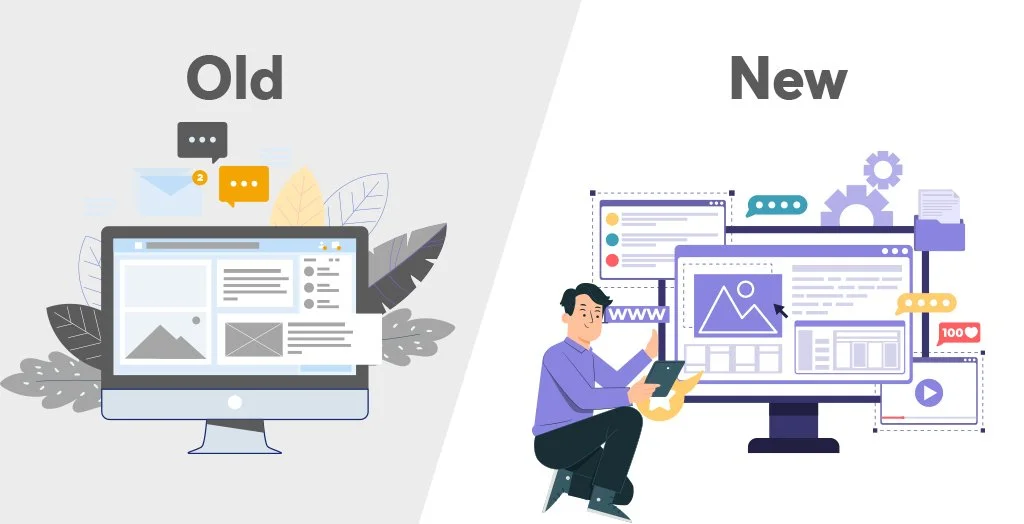
The term “cheap” in web design once meant barebones layouts, slow load times, and zero optimization. Today, it's all about value-driven solutions that cut cost without cutting corners.
Modern affordable design includes:
- Responsive layouts that work across all devices
- Built-in SEO foundations (headers, structure, speed)
- Clean navigation that encourages conversions
- Smart use of pre-built components to reduce dev time
- Speed optimization for performance and rankings
At Steele Solutions, we deliver web design that is both accessible and strategic—because every business deserves a great first impression.
Why Indianapolis Businesses Are Choosing Local, Budget-Friendly Design
Indianapolis is home to a growing number of startups, creatives, and service-based businesses. These entrepreneurs need to move quickly, appear credible, and manage costs. That’s why cheap web design in Indianapolis is in such high demand—fast turnaround, local collaboration, and smart solutions tailored to regional markets.
Choosing a local partner also means better alignment with your audience and search optimization. Google prioritizes local SEO, so your website needs to be structured correctly with geo-relevant content and keywords—something a local agency understands deeply.
Need more visibility? Pairing your website with our Indianapolis SEO services gives you a major edge in local rankings.
What You Actually Get with Affordable Web Design
You don’t need to spend $10k to get a beautiful website. Many Indianapolis web design companies—like ours—offer:
- Home, About, Services, and Contact pages (professionally designed)
- Custom branding integration (logos, colors, fonts)
- Call-to-action buttons and lead forms
- Blog-ready platforms
- Google Analytics and Search Console setup
- Mobile responsiveness and load-time optimization
And if you want to go beyond the basics, we also offer e-commerce integration, video content, automated SEO tools, and CRM-ready systems to help you grow without constantly rebuilding your stack.
As Forbes points out, simplicity, speed, and SEO are the pillars of successful modern websites. You don’t need complexity—you need clarity and performance.
Who Needs Affordable Web Design?
We’ve worked with:
- Contractors and home service professionals
- Real estate agents and brokers
- E-commerce stores launching with lean budgets
- Health clinics and wellness brands
- Coaches, consultants, and creatives
- Nonprofits and grassroots organizations
They all had one thing in common: they needed quality design at a price that made sense. With Steele Solutions, they got exactly that—and more.
Take a look at your own online presence. If your website looks dated, loads slowly, or doesn’t reflect your brand, you’re losing potential customers daily. And worse? You're not even showing up where it matters—on Google.
Why Choose Steele Solutions?
At Steele Solutions, we don’t just offer “cheap” design—we offer affordable, strategic web development that meets your current needs and scales as you grow.
We bring:
- Years of experience building lead-focused websites
- Deep knowledge of SEO, conversion funnels, and UX
- A proven process for fast turnaround and clarity
- Client dashboards with real-time tracking
- Local support, clear communication, and personal investment in your success
Our clients love us because we deliver real results, not just pretty pages.
Take the First Step—Affordably
Your website is your digital storefront. It's the first place people check when they want to work with you. And if it's slow, broken, or confusing, they’ll bounce—straight to your competitor.
Don’t let budget hold you back. Let’s build something great—together.
Contact us for a free consultation. Whether you need a redesign or a brand-new site, we’ll help you launch fast, look sharp, and start ranking.
Affordable doesn’t mean basic. Not with Steele.
What should an affordable website include before optional extras?
A practical first release needs a clear offer, useful service pages, mobile-friendly navigation, accessible contact methods and ownership of the domain and content. Preserve existing search URLs where possible. Custom animation, complex integrations and a large page count should follow a business need rather than become prerequisites for a professional appearance.
A working example
A small Indianapolis business needs a credible site and a working inquiry flow, but a large custom build would consume its marketing budget. The sensible choice is a focused first release with strong content and clear ownership, leaving optional integrations for a later phase. This is an illustrative planning scenario, not a client result. The purpose is to expose the decisions a business should make before committing money or publishing more material.
A five-step working session
-
Separate launch requirements from ideas that can wait until the site has real users. Record the evidence behind the decision and name the person who can verify it. If the information is unavailable, make that a task to resolve rather than quietly treating the assumption as a fact.
-
Inventory existing pages and decide which addresses must be preserved. Record the evidence behind the decision and name the person who can verify it. If the information is unavailable, make that a task to resolve rather than quietly treating the assumption as a fact.
-
Prepare approved service copy, images and contact details before design begins. Record the evidence behind the decision and name the person who can verify it. If the information is unavailable, make that a task to resolve rather than quietly treating the assumption as a fact.
-
Test the complete inquiry journey on a small screen and with a keyboard. Record the evidence behind the decision and name the person who can verify it. If the information is unavailable, make that a task to resolve rather than quietly treating the assumption as a fact.
-
Compare hosting, maintenance and future editing costs alongside the initial build fee. Record the evidence behind the decision and name the person who can verify it. If the information is unavailable, make that a task to resolve rather than quietly treating the assumption as a fact.
The output should be a phased website scope and ownership checklist. Keep it short enough to use in a meeting but specific enough that someone outside the original conversation can understand the priorities. Link each action to its supporting evidence, implementation owner and review date.
What should be measured?
For scoping affordable web design in Indianapolis, a useful outcome is completed qualified inquiries. Select supporting measures that explain progress toward that outcome, then distinguish observations from conclusions. A change in one week may reflect seasonality, a campaign or an operational change rather than the latest site edit. Keep a dated change log so the interpretation can be revisited.
The principal risk is accepting a low initial price that hides essential ongoing costs. To reduce it, ask the team to describe what evidence would change the recommendation. A plan that cannot be revised in response to new information is difficult to evaluate and may encourage activity for its own sake.
Questions to resolve before approval
| Decision | Useful evidence | What to clarify |
|---|---|---|
| Scope | A concrete list of deliverables and exclusions | Which dependencies belong to your team? |
| Responsibility | Named owners for implementation and review | Who resolves conflicting feedback? |
| Measurement | A baseline and a definition of completed qualified inquiries | What data will be available? |
| Handover | Documentation, access and a maintenance plan | What happens when the engagement ends? |
Use this table to compare options on the same terms. A missing answer does not automatically disqualify a provider, but it should become an explicit follow-up. Avoid approving a vague promise simply because the presentation uses familiar industry language.
Questions about scoping affordable web design in Indianapolis
What should we prepare before the first meeting?
Bring the current site or workflow, the services or tasks that matter most, and any existing performance information. Include known constraints such as team capacity, a launch date or required integrations. Clear inputs make a phased website scope and ownership checklist more useful and reduce time spent reconstructing basic business context.
How can we tell whether the proposal is specific enough?
Look for a diagnosis tied to your situation, a concrete first phase and a way to verify the work. Ask the provider to explain what is excluded. For this decision, the proposal should address accepting a low initial price that hides essential ongoing costs, rather than simply repeat a list of services available to every customer.
Which result should we review first?
Confirm that the agreed work was implemented correctly, then examine the available evidence for completed qualified inquiries. Implementation checks and business outcomes answer different questions. Early data may be limited, so explain what can reasonably be concluded and when another review will provide a better basis for action.
Can we begin with a smaller scope?
Yes, when the first phase still produces a useful, testable result. Start with the most important dependency or customer task, document what remains outside the scope and define the condition for expanding. A smaller project is valuable when it reduces uncertainty, not when it omits essential testing or ownership.
What should make us pause or change direction?
Pause when required information is missing, the team cannot verify important claims or the proposed work does not connect to a business objective. Revisit the plan when evidence contradicts its assumptions. Keep the discussion focused on the decision and the available facts rather than defending a tool or tactic because it has already been purchased.
Sources and further reading
W3C: evaluating web accessibility. Review these primary references alongside the practical planning guidance above.